
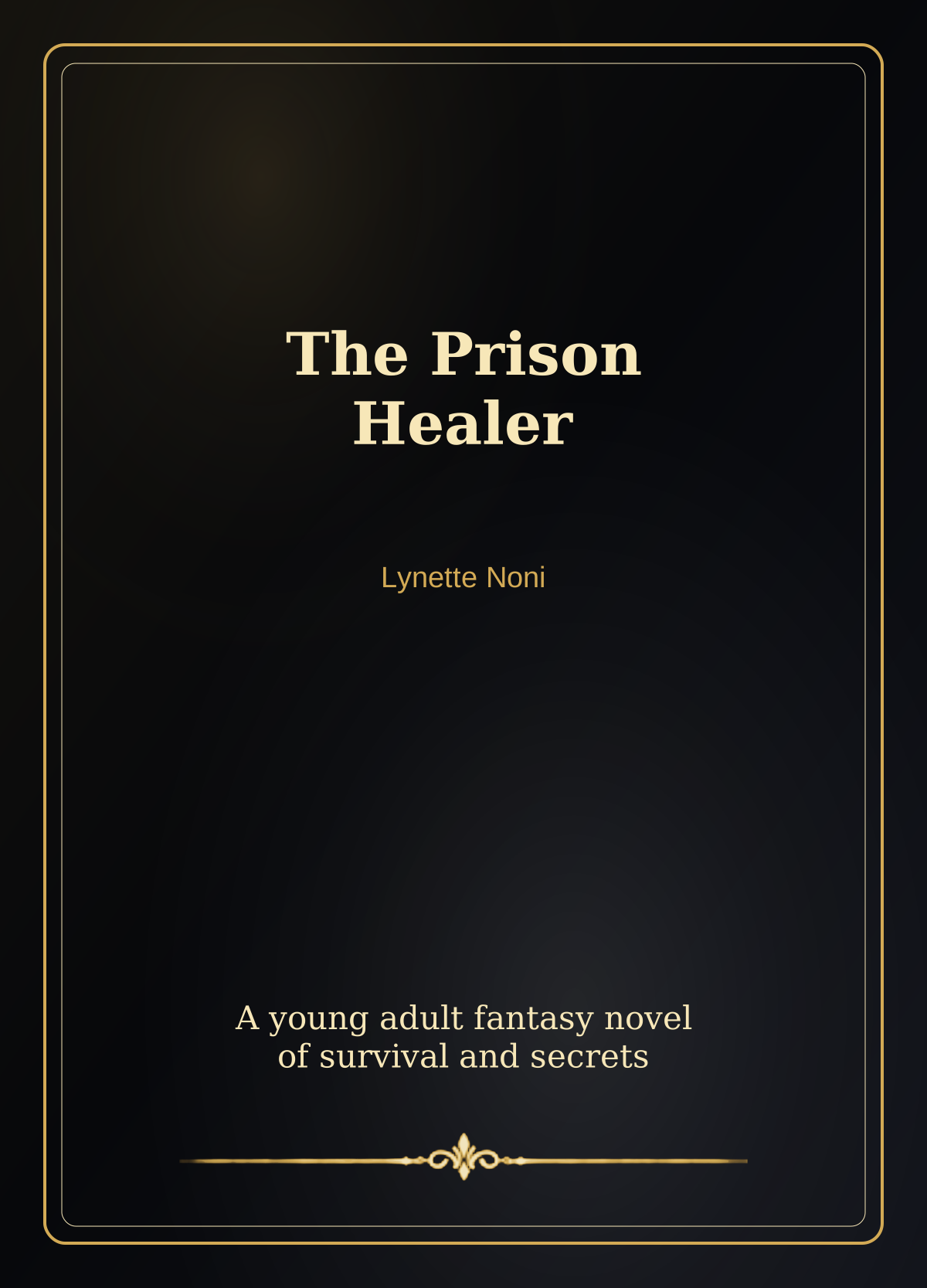
The Prison Healer Novel
The Prison Healer Novel by Lynette Noni follows Kiva Meridan, a healer imprisoned in the brutal Zalindov prison, who must survive a deadly set of trials in place of a rebel queen while protecting the people she loves and uncovering truths that change everything.
Summary of The Prison Healer Novel
The Prison Healer Novel begins in a place designed to erase hope. Kiva Meridan has survived for years inside Zalindov by healing prisoners, staying useful, and hiding the parts of herself that could get her killed. Her life changes when a rebel queen arrives near death and Kiva is forced into trials that could destroy even the strongest fighter.
The novel balances danger with emotional connection. Kiva’s care for Tipp, her guarded trust in Jaren, her tense dealings with Naari, and the politics surrounding the rebel queen all make survival more than a physical challenge. Every choice carries a cost: loyalty can become risk, kindness can become weakness, and secrets can become weapons.
It is a gripping fantasy for readers who enjoy prison settings, high stakes, slow trust, and heroines who survive through intelligence and compassion as much as strength. Its power comes from the question at the center of Kiva’s life: how do you keep healing others when the world keeps trying to break you?
Characters in The Prison Healer Novel
Kiva Meridan: The imprisoned healer of Zalindov, resilient and compassionate, forced into deadly trials while guarding dangerous secrets.
Jaren Vallentis: A mysterious prisoner whose warmth, courage, and hidden identity complicate Kiva’s guarded view of trust.
Tipp: A young prisoner close to Kiva, bringing tenderness, loyalty, and emotional stakes into the cruelty of Zalindov.
Naari: A prison guard whose layered loyalties and growing connection to Kiva make her more than part of the prison system.
Tilda Corentine: The rebel queen whose arrival triggers the trials and pulls Kiva into a dangerous web of politics, illness, and rebellion.
Warden Rooke: The brutal authority of Zalindov, representing the prison’s cruelty, control, and willingness to sacrifice prisoners for power.