

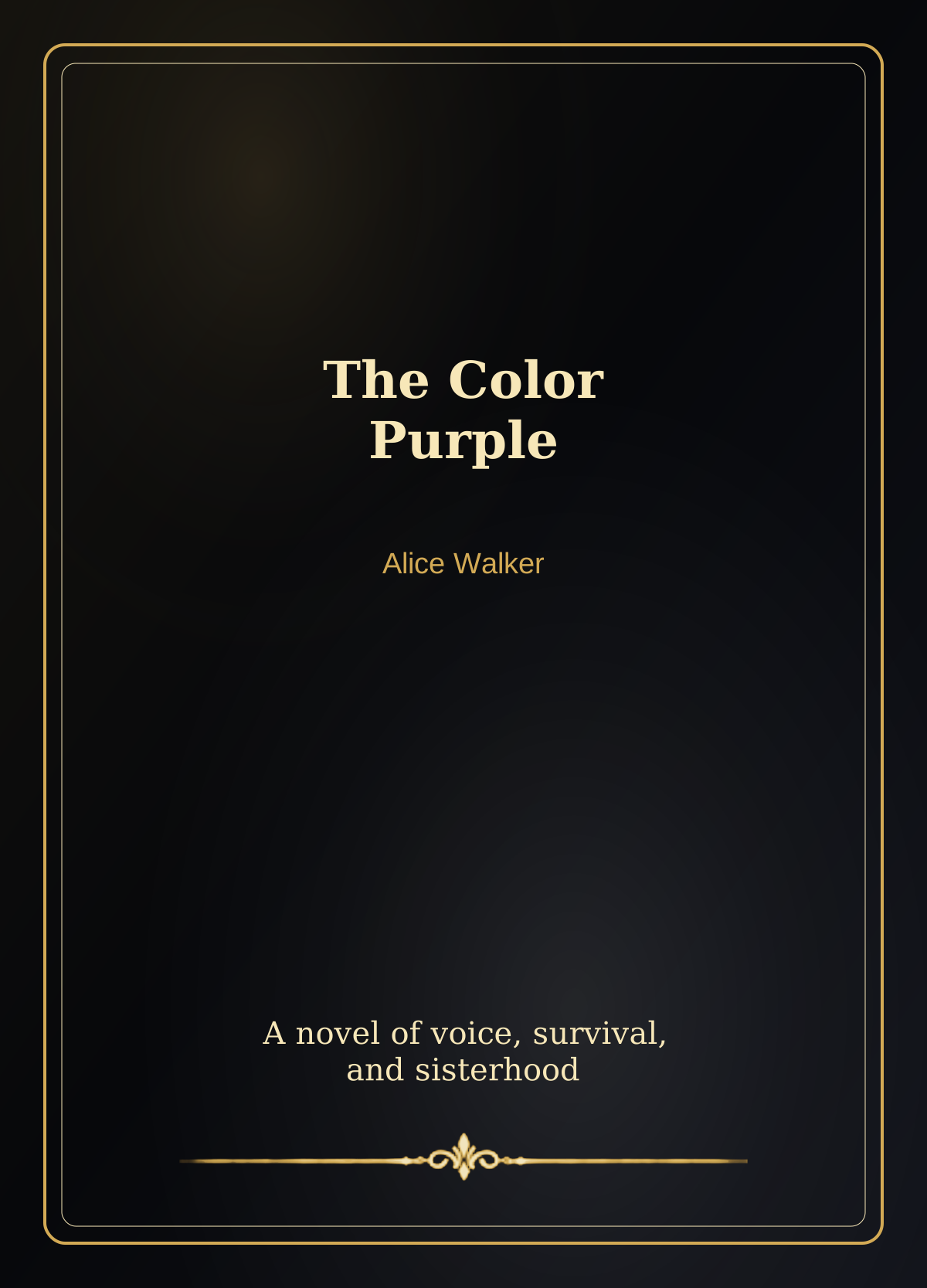
The Color Purple Novel
The Color Purple by Alice Walker is a classic literary novel told through letters, following Celie’s painful but transformative journey toward dignity, voice, and selfhood. Through race, gender, love, violence, friendship, and spiritual awakening, the novel portrays the hard struggle to survive and become whole.
Summary of The Color Purple Novel
The Color Purple follows Celie, a young Black woman whose life begins under severe oppression and silence. Through the letters she writes, the reader witnesses a deeply intimate transformation. Alice Walker turns private pain into a powerful narrative of endurance, showing how a person can move from fear and invisibility toward self recognition and strength.
The novel’s emotional richness comes not only from suffering, but from the relationships that help heal it. Sisterhood, friendship, and unexpected love become forces of rebirth. Walker gives each relationship moral and emotional weight, revealing how dignity can be restored through truth, tenderness, and the refusal to remain broken.
This novel suits readers who value literary depth, strong women characters, and stories of survival and awakening. Its enduring power lies in its voice: honest, vulnerable, and gradually growing in confidence until it becomes a declaration of life, worth, and spiritual beauty.
Characters in The Color Purple Novel
Celie: The central heroine whose letters chart her movement from silence and pain toward dignity and selfhood.
Nettie: Celie’s beloved sister, whose bond with her represents memory, hope, and enduring love.
Shug Avery: A charismatic and transformative woman who helps awaken Celie’s voice, desire, and independence.
Mister: A complex male figure whose power and cruelty shape part of Celie’s suffering and later moral change.
Sofia: A fierce and unforgettable woman whose strength and resistance deepen the novel’s vision of womanhood.