

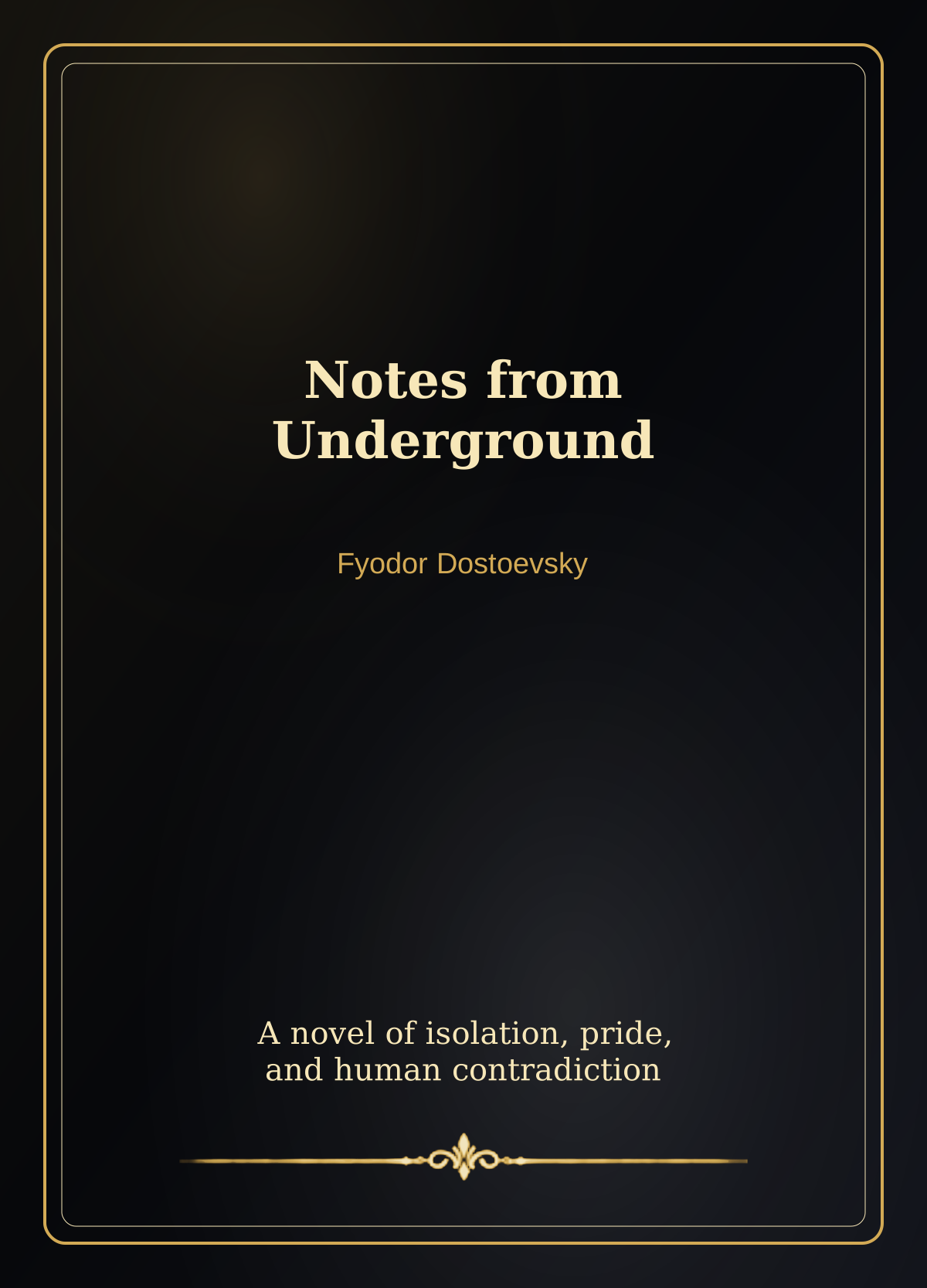
Notes from Underground Novel
Notes from Underground by Fyodor Dostoevsky, known in Arabic as The Cockroach Man or Letters from Underground, is a classic philosophical novel. Through the bitter voice of the Underground Man, it explores pride, isolation, irrational freedom, resentment, and the deep contradictions inside human consciousness.
Summary of Notes from Underground Novel
Notes from Underground is narrated by a man who speaks from isolation with sharp intelligence and painful bitterness. He attacks society, reason, progress, and even himself, revealing a consciousness trapped between pride and shame. His voice is uncomfortable because it exposes thoughts many people hide.
The novel challenges the idea that human beings always choose what is rational or beneficial. Dostoevsky presents a character who may act against his own interest simply to prove that he is free. This makes the book one of the strongest literary explorations of contradiction, resentment, and self-sabotage.
This novel suits readers interested in psychological fiction, philosophy, and classic literature. Its strength lies in its disturbing honesty: it shows that the human soul is not a simple machine of reason, but a conflicted place where freedom, pain, pride, and longing struggle together.
Characters in Notes from Underground Novel
The Underground Man: The bitter narrator whose isolation, pride, and contradictions drive the entire novel.
Liza: A young woman whose encounter with the Underground Man exposes his need for connection and fear of tenderness.
Zverkov: An old acquaintance who represents social success and deepens the narrator’s resentment.
The former schoolmates: Figures of society and humiliation who trigger the narrator’s anger and insecurity.
The underground: A symbolic space of isolation, self-awareness, resentment, and painful freedom.