

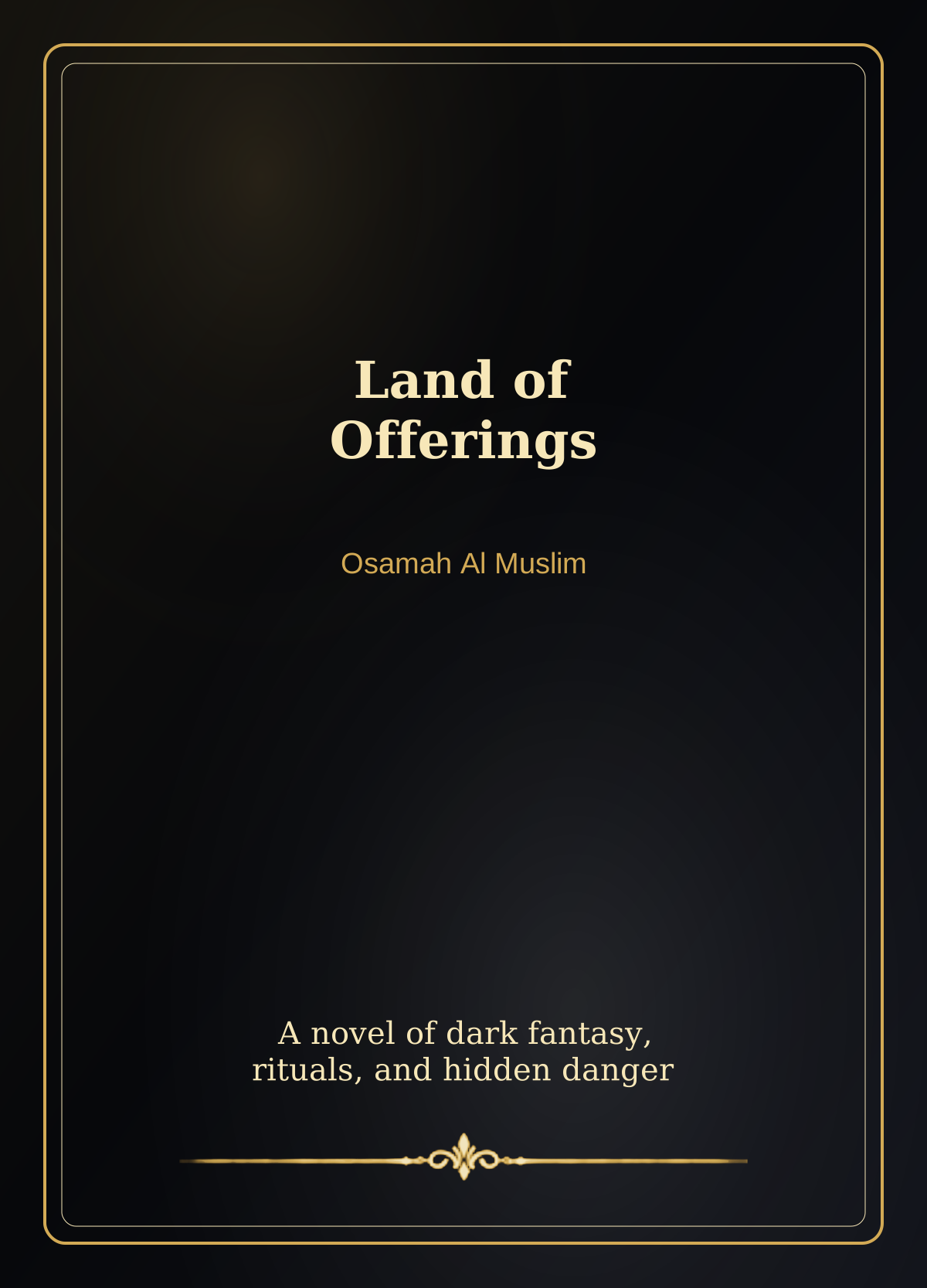
Land of Offerings (Spider Series) Novel
Land of Offerings by Osamah Al Muslim is an Arabic fantasy thriller novel connected to the Spider series. It moves through a world of hidden powers, fear, ritual symbolism, and layered secrets, where characters are drawn into a dangerous path that tests loyalty, courage, and the limits of what they are willing to sacrifice.
Summary of Land of Offerings (Spider Series) Novel
Land of Offerings builds a tense atmosphere from the first pages. The novel opens onto a world in which danger is never only physical, but also psychological and symbolic. As the story advances, sacrifice becomes more than a title. It becomes a question about fear, desire, destiny, and the price people pay when they step too close to the unknown.
Osamah Al Muslim relies on suspense, dark imagination, and gradual revelation. The novel draws the reader through mysterious events, unsettling discoveries, and shifting relationships that keep the truth just out of reach. Its appeal lies in the combination of fantasy and thriller energy, where the world itself feels like a trap filled with signs waiting to be understood.
This novel suits readers who enjoy Arabic dark fantasy with a strong sense of mystery and momentum. It offers a gripping reading experience, rich in tension and suggestion, while inviting the reader to wonder whether the true offering is something given freely, or something taken from those who thought they were in control.
Characters in Land of Offerings (Spider Series) Novel
The seeker: A central figure drawn into the mysteries of the land and forced to confront truths larger than expected.
The keeper of secrets: A shadowy character who guards dangerous knowledge and reveals only what serves the moment.
The chosen offering: A symbolic and human presence through which the novel explores fear, fate, and sacrifice.
The hidden enemy: A threatening force working from behind the scenes and shaping events through manipulation and dread.
The land itself: Almost a character in its own right, the setting creates pressure, symbolism, and the feeling that every step has a cost.