

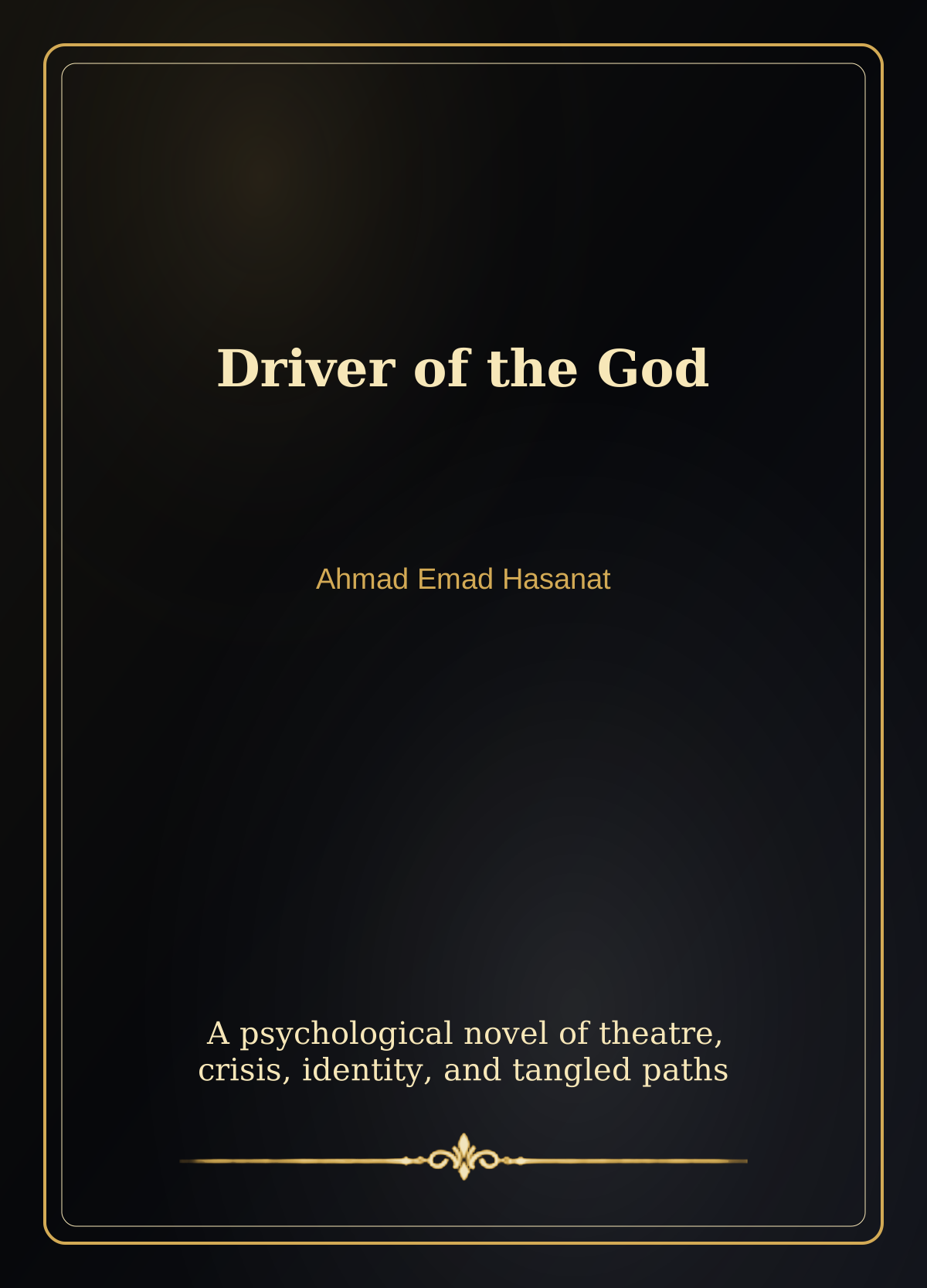
Driver of the God Novel
Driver of the God by Ahmad Emad Hasanat is a psychological dramatic novel that follows Rama, a woman whose life is deeply connected to theatre and performance. When a sudden crisis interrupts her work on stage, the paths of her life begin to tangle, opening a story about pressure, identity, fear, creativity, and the search for control.
Summary of Driver of the God Novel
This novel begins from a moment of rupture. Rama, who has built an important part of her life around theatre, finds herself unable to continue at the very moment she is supposed to create, direct, and perform. That interruption becomes more than a dramatic incident. It exposes layers of anxiety, instability, and unanswered questions that have been growing beneath the surface of her life.
A strong element of the novel is its use of theatre as both setting and symbol. The stage becomes a place where identity is tested, where performance and truth collide, and where inner pressure can no longer remain hidden. As the events unfold, the reader follows Rama through confusion and tension, watching how personal history, ambition, and fear can turn ordinary choices into a complex psychological maze.
Driver of the God is suitable for readers who enjoy psychological novels, dramatic tension, and stories built around inner conflict. It offers atmosphere, mystery, and a protagonist whose crisis opens wider questions about freedom, control, and the masks people wear. Its value lies in how it turns one interrupted performance into a deeper exploration of a life that has lost its balance and must search for meaning again.
Characters in Driver of the God Novel
Rama: The central character, a theatre educated woman whose sudden inability to continue on stage becomes the turning point of her life.
The Theatre World: The artistic environment that surrounds Rama and reflects her ambition, pressure, and conflict between performance and truth.
The Hidden Past: A force more than a single person, representing the memories and unresolved tensions that shape Rama’s crisis.